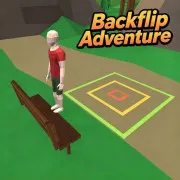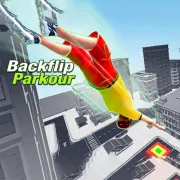
| Rating: | 5 (1 votes) |
| Played: | 0 times |
| Classification: | Flipping Games |
Stickman Flip hands you a tiny acrobat and a single tap of the finger. Launch, spin, land the backflip, and see how high you can climb before gravity wins the round.
Tap once and your character leaves the ground already spinning. Tap again to nudge the rotation while airborne, then aim for a landing on both feet. A clean touchdown keeps the run going, while a messy one sends you back to the start.
The audience is casual players on phones and browsers who want something that fits between other tasks. Revenue tends to follow a familiar pattern:
This game punishes panic more than slow hands, so treat your first runs as practice.
Stickman Flip looks simple on the surface and turns out hard to master underneath. One tap is all the game asks of you, yet the gap between a sloppy landing and a perfect one comes down to tiny decisions about rhythm, angle and patience. That gap is exactly what makes each failed run feel like something you can fix on the next try.
The long term value rests on two things. The physics have to stay fair, so a loss always feels like your own mistake and never like a glitch. The rewards at higher altitudes also have to keep changing, because a new sight at the top is what turns a casual session into a habit. When both hold up, the game earns a place on your home screen and a few minutes of your day, every day.
Flipping Games