Flip Runner
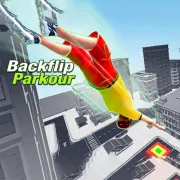
Flip Runner turns city rooftops into a stage for physics driven parkour, where every jump, flip and landing depends on your timing and your control of the body.
Reading the Gap: From Takeoff to Landing
Run toward the roof edge and let the speed build. The takeoff decides most attempts, so jump as late as you dare. In the air, rotate the body until the trick is finished and your feet face the next roof. A clean landing rolls you onto the next platform. A sloppy one sends the runner into the building edge or down to the pavement, and the attempt is over. Coins from finished levels go straight into stronger stats.
What Sets the Rooftop Run Apart
- 39 levels that push the route deeper into the city
- Physics that shape every leap, flip and landing
- Three upgrades: jump power, flip power and balance
- New districts with fresh roof layouts and wider gaps
- A short opening lesson that covers the first moves
Flip Runner ties these pieces together with one loop: clear a level, collect coins, upgrade, then try a longer gap.

Seven Habits That Make Flip Runner Easier to Master
- Put your first coins into balance. Steadier landings mean fewer crashes, and fewer crashes mean you learn the other upgrades faster.
- Wait until your feet reach the very edge before jumping. An early takeoff costs distance you cannot win back in the air.
- Rotate only as far as the trick needs. Spinning past that point tilts the body and wrecks the landing angle.
- Buy jump power before you face wide gaps. Flip power can wait until the distance feels safe.
- Look at each building before you run. Check the gap width, the height difference and how much roof you get to land on, then pick your takeoff spot.
- Change one thing per retry. Fix your timing first, then your rotation, so you know which input caused the crash.
- Replay cleared levels when coins run low. A few easy runs pay for the next upgrade and spare you risky jumps.
Where the Rooftop Run Leaves You
Flip Runner asks for one skill and tests it hard: precise timing. That focus gives it clear strengths:
- Short sessions with instant restarts
- Upgrades that make progress easy to see
- Landings that feel earned because the physics never hand out free passes
It also has limits worth knowing before you start:
- The same mechanic repeats across all 39 levels
- Difficulty can climb faster than your coin supply, which forces some replaying
Players who enjoy sharpening a single skill will find a lot to like, because each crash teaches something specific and each clean landing feels like proof of progress. Those who want constant variety may feel the loop thin out in the later districts. The best approach is patience. Treat every failed jump as a lesson in timing, upgrade with a plan, and the skyline starts to read like a route instead of a risk.
Flipping Games